


Yamaha R15 V4 vs Yamaha YZF-R2
Sep 14, 2026




































































Organic Soy Protein Market in Daily Nutrition: Benefits and Uses

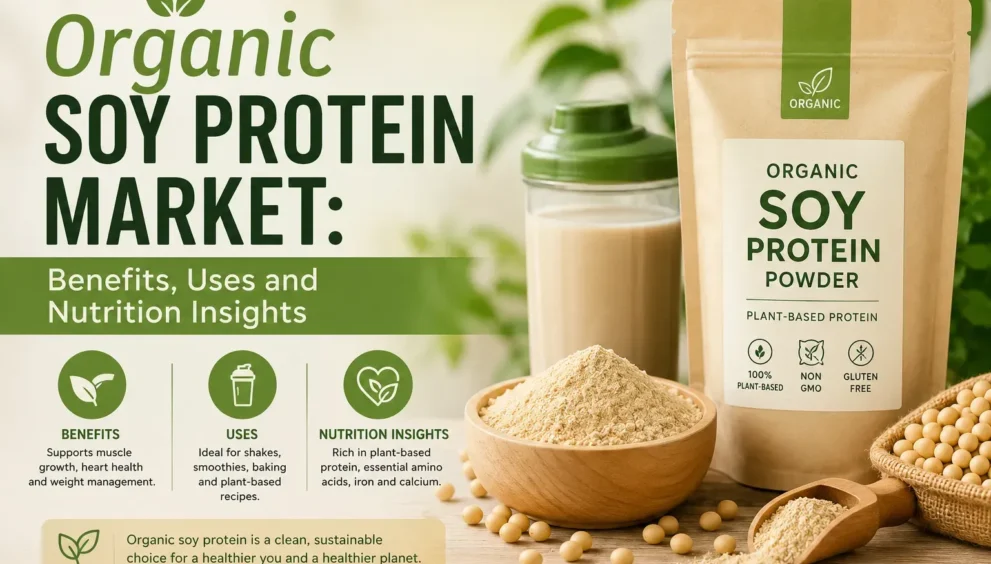
Introduction to Organic Soy Protein Market
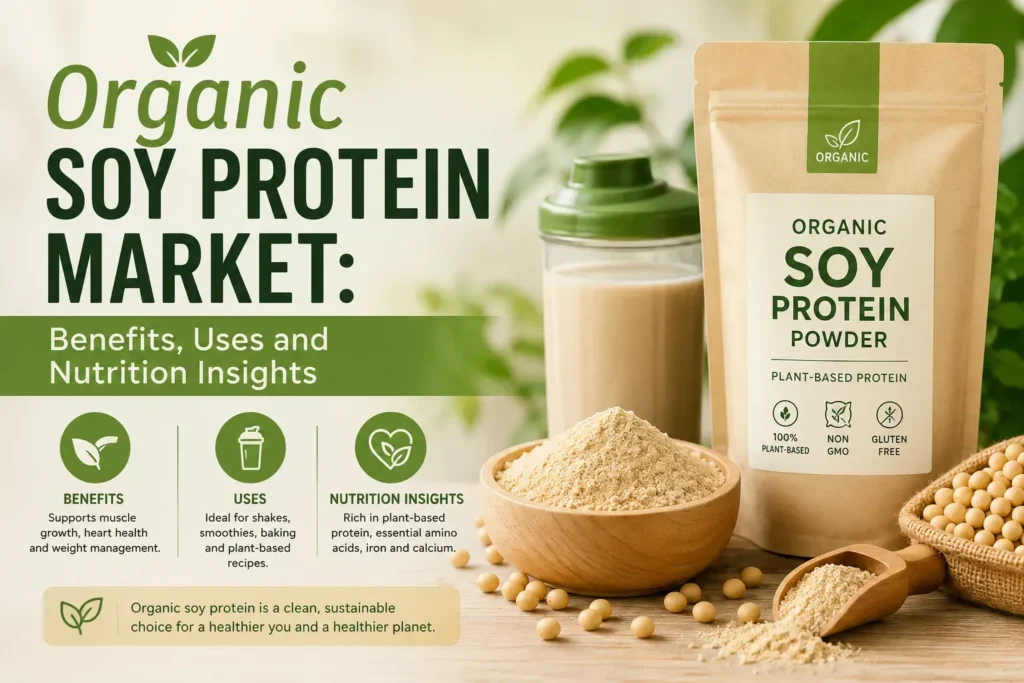
The Organic Soy Protein Market is among the leading burgeoning categories in the largest category of plant-based nutrition globally. Recently, consumers are increasingly gravitating toward opting for healthier, cleaner, and more sustainable food options. This trend has increased demand for organic soy protein, produced from organic soybeans that have been grown without the application of synthetic pesticides, chemical fertilizer, or genetically modified organisms.
The popularity of vegan diets, flexitarian diets, and being health conscious in your choice of diet have contributed substantially to the expansion of the organic soy protein market. More than just taste and convenience are the considerations of consumers; all factors including but not limited to: nutritional value, environmental impact, and ingredient transparency, are being considered by consumers today. Within the Organic Soy Protein Market ( Mercado de Proteína de Soja Orgánica ), demand is driven by its versatility, high protein content, and suitability for multiple food applications ranging from supplements to processed foods.
Understanding Organic Soy Protein
Organic soy protein is extracted from soybeans that are organically cultivated according to the guidelines for organic agriculture. This means that the soybeans are harvested without the addition of artificial chemicals, fertilizer, or any genetically modified organisms. Organic soy protein is offered in different forms, such as soy protein isolate, soy protein concentrate, and textured soy protein. The unique feature of each form of soy protein is its application in the food sector. For example, soy protein isolate is normally used as a protein supplement, while textured soy protein has multiple uses in simulated meat products. The most significant characteristic of organic soy protein is that it is a complete protein. This means that it includes all nine essential amino acids which cannot be synthesized by humans and need to be supplied externally to maintain their body function needs.
Nutritional Composition of Organic Soy Protein
Organic soy protein has an extensive nutrient profile that supports many types of diets due to its high-quality plant protein, low saturated fat content, zero cholesterol and provides essential amino acids, dietary fiber, isoflavones (beneficial plant substances), and some vitamins and minerals. This strong nutritional profile makes organic soy protein the first choice for those looking for healthier options than animal-sourced proteins. They can also help support overall health and long-term dietary diversity.
Health Benefits of Organic Soy Protein
Facilitates Muscle Growth and Recovery
Another important advantage that is offered by organic soy protein is that it helps in muscle growth and recovery. Proteins are very necessary for the repairing of muscle tissues. All the essential amino acids needed for muscle repair are found in soy proteins.
Helps in Losing and Maintaining Weight
Organic soy protein is a very popular choice among people who want to manage their weight effectively. This type of protein helps reduce hunger pangs and increases feelings of satiety. It is an effective way to regulate food intake.
Contributes to Cardiovascular Health
Since soy proteins have less saturated fat and zero cholesterol, they help in promoting heart health. Consumption of organic soy protein in moderation can ensure healthy cholesterol levels and proper functioning of the heart.
Helps in Improving Digestion
Fiber is one of the major components found in soy proteins. Fiber helps promote digestion. Healthy digestion leads to proper absorption of nutrients, metabolism and overall good body Health.
Good for People Who Have Adopted Vegan Diets
For vegans and vegetarians, soy protein acts as a complete protein source. Soy proteins can easily provide all the protein requirements without resorting to animal products.
Uses of Organic Soy Protein in Daily Diet
Organic soy protein is widely used across multiple food categories due to its flexibility and nutritional benefits.
Protein Supplements and Fitness Nutrition
Probably one of the most widespread uses of soy protein can be observed within protein supplements. Such products are very popular because they help to receive an additional portion of protein that is necessary for body building.
Plant-Based Meat Alternatives
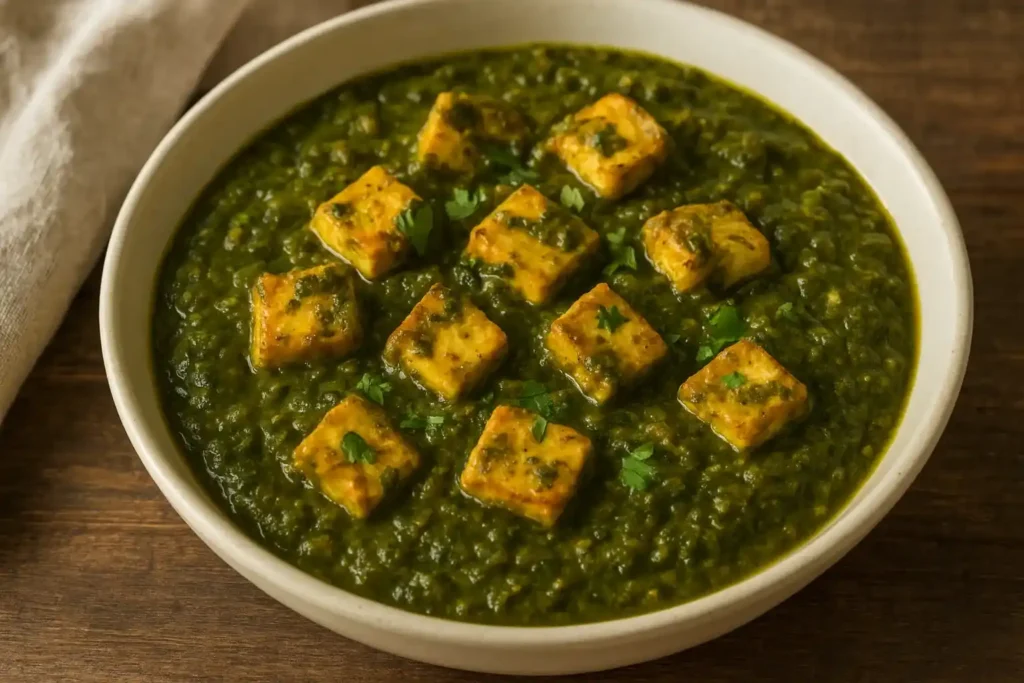
In recent years, people have increasingly been interested in alternatives to traditional meat products. In this context, there are various meat substitutes which usually include soy protein, including tofu, soy burgers, vegan sausages, and others.
Bakery and Snacks
Such items as bread, cookies, protein bars, and other bakery products can include soy protein in order to provide consumers with healthier snacks.
Dairy-Free Food
As a result of growing interest in a lactose-free diet, soy milk and yogurt have been widely produced to become good alternatives to traditional dairy products.
Processed Food and Ready Meals
Apart from this, organic soy protein is used in various processed foods in order to increase protein content.
Organic Soy Protein Market Trends
As a result of these significant shifts in global food consumption patterns, the Organic Soy Protein Market (Mercado de Proteína de Soja Orgánica) has experienced tremendous growth. As more consumers eat plant-based diets, this represents one of the most recently established and fastest growing trends in the food sector; therefore, there continues to be an increasing reduction in the amount of red meats consumed, and as such many people are now looking for healthier alternatives to red meat.
Additional key trends that are driving the demand for organic soy protein include an increasing consumer demand for clean-label items; a growing range of vegan food products; and an increasing number of individuals who are becoming more aware of how their actions affect the environment. The latter is leading to consumers becoming increasingly focused on food transparency and manufacturers now have to focus on using organic and Non-GMO (genetically modified) ingredients in their products.
According to Informes de Expertos data, every soy food/milk/soy protein segment,plant-based protein, and functional foods category are all consistently growing because of the above-mentioned factors. All signs point towards a long-term change taking place in the global food industry.
Growth Drivers of Organic Soy Protein Market
There are several factors contributing to the growth of the organic soy protein market. First and foremost, many consumers exhibit higher levels of interest in healthy food choices, and therefore, they are looking for healthier options for obtaining protein.
As concerns for sustainability increase, consumers are turning to plant-based protein sources because they have lower impacts on the environment than do animal-based sources.
While there is a growing number of vegan and vegetarian populations, many more individuals are identifying as flexitarian (occasionally consuming meat) and, as a result, there has been a significant increase in demand for soy protein products.
In addition, continuous innovations in food technology have opened up the usage of soy protein within more and more new product segments and made soy-based products much more accessible and nationally accepted.
Future Outlook of Organic Soy Protein Market
Because of a growing international focus on health, sustainability, and alternative protein sources, the Organic Soy Protein Market is anticipated to have a bright future. Also, advancements in food processing technology have led to refined soy protein products in all aspects (flavor, texture, functionality). Due to the increased investment in plant-based nutrition research, more opportunities for innovation will likely develop. As consumer preferences change, organic soy protein will continue to play a key role in dietary patterns around the world.
Also read: Weight Loss Diet Plan
Frequently Asked Questions (FAQs)
1. What is organic soy protein made from?
Organic soy protein is made from organically grown soybeans that are processed without chemicals or genetic modification.
2. Is soy protein a complete protein?
Yes, soy protein is considered a complete protein as it contains all essential amino acids
required by the body.
3. What are the main uses of soy protein?
It is used in protein supplements, meat alternatives, bakery products, dairy alternatives, and processed foods.
4. Is organic soy protein healthy for daily consumption?
Yes, it is generally considered healthy when consumed as part of a balanced diet.
5. Can vegans consume soy protein?
Yes, it is one of the most popular plant-based protein sources for vegans and vegetarians.