

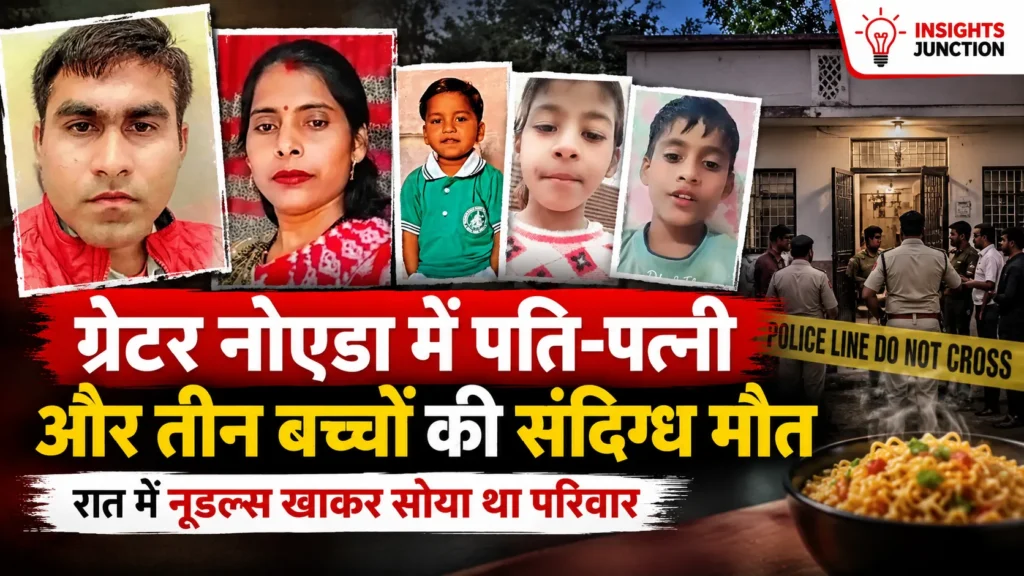
ग्रेटर नोएडा में पति-पत्नी और 3 बच्चों की
Oct 17, 2026























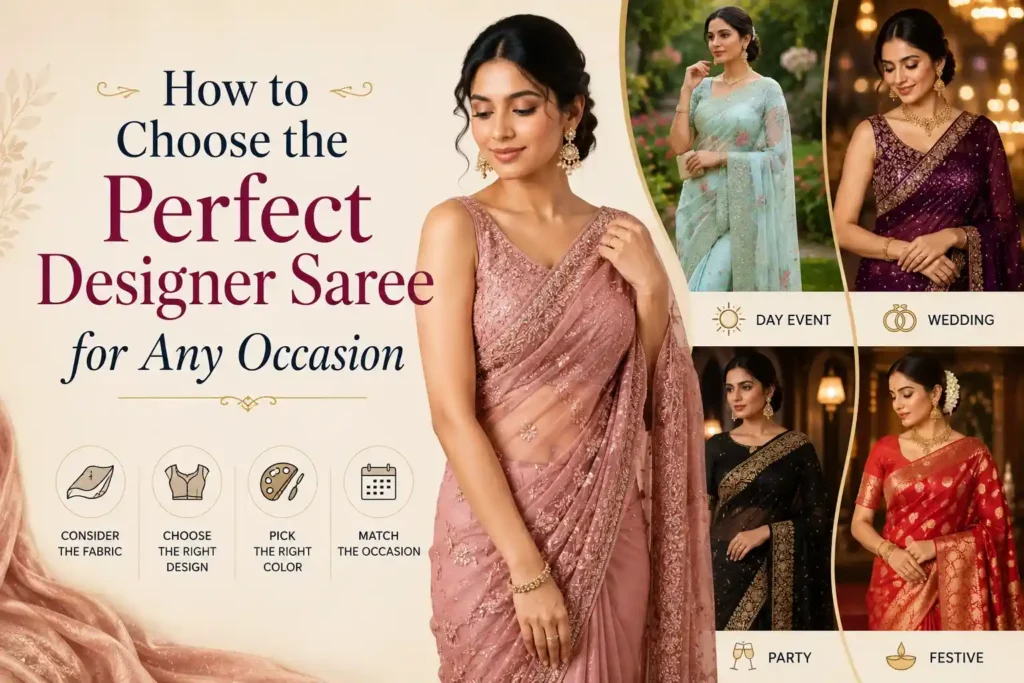



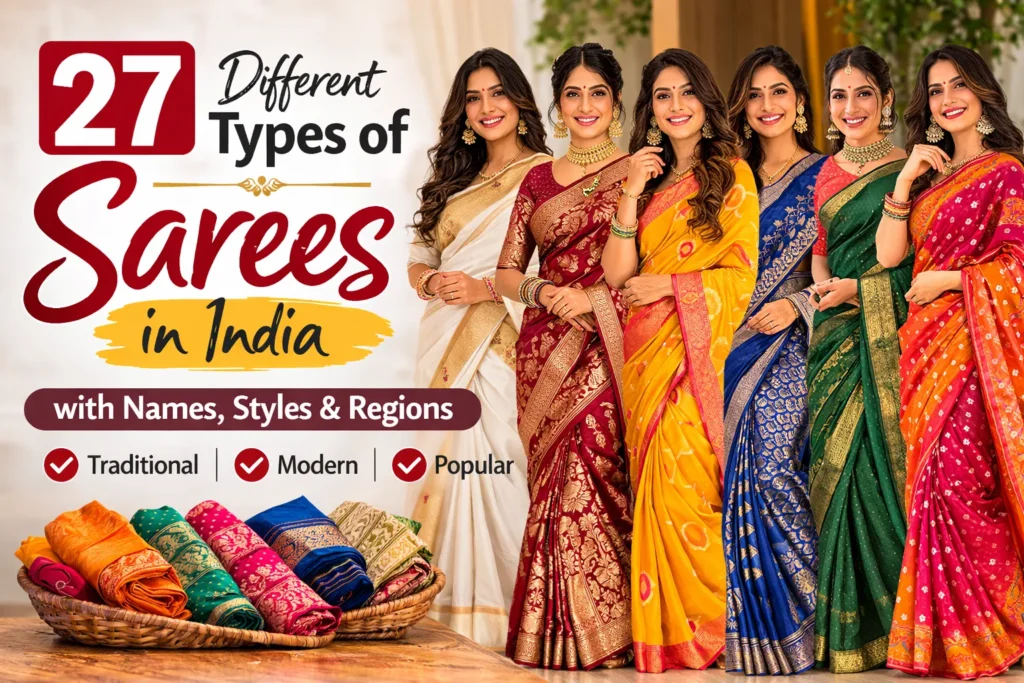
































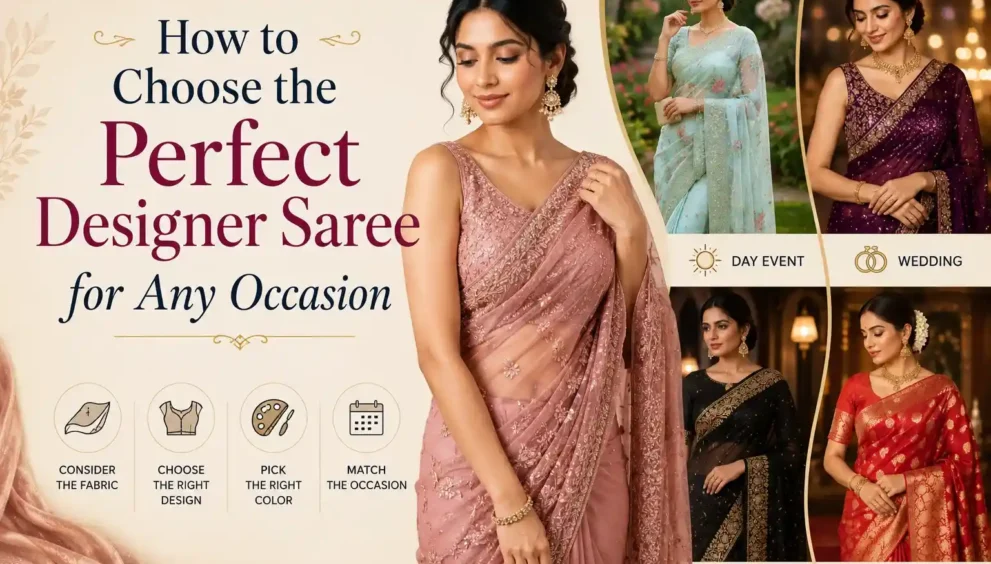
How to Choose the Perfect Designer Saree for Any Occasion

Think about the last time you stood in front of a saree collection feeling completely overwhelmed. There is no garment in an Indian woman’s wardrobe that demands quite this much from you – not in a bad way, but in the most layered, interesting way. You are not just picking a colour. You are deciding on fabric, figuring out the right embellishment level for the occasion, thinking about the blouse, and wondering somewhere in the back of your mind whether the whole thing will still feel comfortable six hours into a wedding reception.
That is the reality of choosing a designer saree. Get it right, and you will be the person everyone remembers. Get it wrong, and even a genuinely beautiful piece will leave you feeling like you showed up in the wrong outfit.
Here is what most guides do not tell you clearly enough – there is a logic to this. A learnable, repeatable framework that makes every future saree decision significantly less stressful. This guide walks through the whole thing: what actually makes a designer saree worth buying, how to match it to your occasion, which fabrics do what, and the small details that most buyers only think about after the purchase.
What Actually Separates a Designer Saree From the Rest
Before getting into occasion specifics, it is worth understanding what you are really paying for when you invest in a designer saree rather than a standard retail piece. Because the difference is real – and it shows up not just in how the saree looks, but in how it actually performs on the day you wear it.
It starts with the fabric. Not just the category – silk, georgette, organza – but the actual quality within that category. Premium textiles are chosen for how they drape, how long they hold their shape, and how they behave under embellishment and movement. A quality georgette moves differently from a cheap one. A pure silk Kanjivaram has a weight and sheen that synthetic versions simply cannot replicate, whatever the label may claim.
Handcrafted construction is the second real marker. There is a tangible difference between a saree where the embroidery was placed by hand and one where a machine replicated the same pattern across thousands of metres of fabric. It shows up in small ways – a slight natural variation in thread tension, the way a motif is positioned with human judgement rather than mechanical repetition. These are the details that photograph well and last.
Then there is design cohesion, which is harder to describe but easy to feel when it is present. When a saree is genuinely well-designed, the border belongs to the pallu, the body motif makes visual sense within the overall composition, and the blouse fabric was clearly considered from the beginning rather than thrown in as a standard add-on.
Many contemporary designer labels, including Studio 113, have built their collections around this kind of standard – prioritising real fabric quality and skilled craftsmanship to produce pieces that hold up across years of wearing, not just their first outing.
Also Read: Different Types of Sarees
Matching Your Designer Saree to the Occasion
This is honestly where most saree decisions go either right or wrong. Every occasion has its own unspoken dress code, and a saree chosen in alignment with that code will always feel more appropriate – and more comfortable – than one picked purely because it was beautiful on the rail.
If You Are the Bride
This is not the occasion for experimentation. Pure silk – Kanjivaram, Banarasi, or designer tissue – with rich zari work and an elaborate pallu is the traditional choice for very good reason. Weight, depth of colour, and richness of embellishment take priority over everything else here. A bridal saree should feel significant, because it is.
For Wedding Guests and Reception Occasions
This is where you have considerably more creative latitude. Organza sarees with floral detailing, designer georgette in jewel tones, lightweight silk in soft pastels – all of these work beautifully for celebratory occasions. The one unwritten rule worth knowing: do not compete with the bride’s palette, and avoid anything that reads more bridal than festive.
Festive and Religious Occasions
Festive dressing is about warmth, tradition, and colour. Silk, chanderi, and kota doriya in gold, red, saffron, and deep green have remained go-to choices across generations because they genuinely deliver. How much embellishment is appropriate depends on the specific occasion – a large family ceremony and a close friend’s intimate celebration are not really the same brief.
Professional and Formal Settings
The work saree is genuinely underappreciated as a category. Fine cotton silk, linen blends, or lightweight georgette in solid colours or subtle prints communicate authority and confidence without veering into occasion-wear territory. Keep embellishment minimal and the silhouette clean. A well-chosen professional saree is one of the most powerful things you can wear to work.
Cocktail and Evening Events
This is where contemporary designer sarees have the most creative scope. Embellished georgette, sequin-worked net sarees, or an organza drape styled with a structured blouse – all of these are appropriate for evening settings. The relaxed formality of cocktail occasions genuinely rewards experimentation in ways that daytime events simply do not permit.
A Fabric Guide That Actually Helps
Fabric affects everything – how comfortable you are, how appropriate the saree feels, how long it lasts, and how it looks in person versus in photographs. Here is a clear reference to work from.
Silk is the definitive choice for bridal and formal occasions. Heavy, rich, and capable of carrying intricate embroidery and zari work without being overwhelmed.
Organza is sheer, crisp, and structurally elegant. It holds surface embellishment beautifully, photographs well, and suits receptions, evening events, and destination weddings particularly well.
Georgette is the great workhorse of the designer saree world. Fluid, forgiving, and appropriate across festive, semi-formal, and evening occasions, its lighter weight means noticeably more comfortable extended wear.
Chanderi and Kota Doriya are warm-weather answers to most daytime dressing questions. Lightweight and breathable with a natural sheen, they work well for daytime events, professional settings, and any occasion where looking polished without overheating is the actual goal.
Tissue and Net belong firmly in the evening. Tissue carries a natural shimmer that catches light beautifully; net provides the ideal embellishment base for heavily worked contemporary designer sarees.
Choosing for Your Body Type
Choosing a designer saree with your proportions in mind is not about hiding anything – it is about understanding which fabric and silhouette choices genuinely work with your frame, rather than against it.
Petite frames generally do better with lightweight fabrics – georgette and chiffon in particular. Smaller-scale motifs and vertical border patterns create a natural lengthening effect. Very heavy fabrics and oversized pallus tend to overwhelm a smaller silhouette rather than complementing it.
Taller frames carry the heaviest, most dramatic fabrics easily. Banarasi silk, tissue, and structured organza all look proportionately balanced when there is enough height to support them. Wide borders and large-scale motifs work well here.
Fuller figures are best served by fabrics with real drape and movement – soft georgette, chiffon, or fine silk. Vertical embellishment patterns and tonal colour choices create a clean, elongating line. One thing worth remembering: a well-fitted, structured blouse with a strong neckline will do more for your overall proportion than any other single styling decision.
Athletic and straight frames benefit from fabrics that introduce volume – organza, structured georgette, stiff silk. Embellishment concentrated at the hip or pallu introduces curve and visual interest where there is less natural definition.
The Styling Details That Actually Make a Difference
The Blouse
Genuinely the most underestimated element of any saree ensemble, and consistently the one that buyers get wrong. A well-constructed blouse – whether backless, a structured corset, or a tailored full-sleeve – will do more for the final look than almost any other single decision. Fit has to be right. A poorly fitting blouse will diminish even a spectacular saree, every single time.
Jewellery
A heavily embellished saree calls for restraint in jewellery. A single statement necklace or chandelier earrings – not both at the same time. Plainer sarees can carry bolder pieces without looking cluttered. One small detail worth remembering: matching your metal tones to the embellishment colour on the saree creates a visual coherence that reads as considered rather than coincidental.
Footwear
Match the occasion’s formality. Heeled sandals or embellished kitten heels for weddings and formal events. Block heels for outdoor celebrations where the ground is uneven. Kolhapuris or embroidered flats for daytime festive occasions.
Draping Style
A neat, structured Nivi drape is the right choice for formal events and professional settings. A butterfly drape, dhoti silhouette, or belt-cinched style suits cocktail and evening occasions better. And if you are going to be on your feet for hours or travelling between venues – a pre-stitched saree is a practical solution that more people should genuinely consider.
Colour
Traditional occasions typically call for jewel tones, gold, red, and ivory. More contemporary events open the palette significantly – dusty rose, sage green, powder blue, and champagne are all strong choices right now. One consideration that often gets skipped: how does the colour actually look against your skin tone? Cool undertones respond well to blues, greens, and muted shades. Warm undertones carry gold, terracotta, and orange beautifully.
Mistakes Worth Avoiding
Buying for the display, not the occasion. A saree that stops you in your tracks on a rail can be entirely wrong for what you actually need it for. Start with the occasion, not the saree.
Underestimating wearability. A saree you cannot sit in comfortably or sustain for several hours is not the right saree, regardless of how it photographs. Weight, breathability, and drape ease all matter as much as appearance.
Treating the blouse as an afterthought. Work out the blouse fabric and design direction before finalising the saree purchase – not after. Finding the right complementary fabric six weeks later is considerably harder than making that decision upfront.
Assuming price reflects fabric quality. It does not always. Ask directly about fabric composition, weave origin, and embellishment technique before committing to anything significant. A seller who cannot answer these questions clearly is telling you something worth hearing.
Skipping the seller verification step. The premium saree market has its share of misrepresentation. Established designer labels, curated boutiques, and verified retailers with transparent policies and a genuine quality track record are always the safer choice.
Conclusion
Choosing a designer saree well is a skill – one that gets noticeably easier as your understanding of fabric, occasion, and proportion deepens. The decisions that feel overwhelming now genuinely do become more intuitive over time.
The core framework does not really change though: match the fabric to the formality, align the embellishment level with the occasion’s tone, get the blouse right, and buy from sellers you can trust.
For those building a wardrobe of considered pieces and looking for a reliable reference point for what thoughtful curation looks like, designer brands such as Studio 113 bring premium fabrics and refined aesthetics together in collections that reward careful attention.
A great designer saree does not just dress you for an occasion. At its best, it becomes part of how you remember it.
Frequently Asked Questions
Q1. How do I choose a designer saree for a wedding if I am a guest and not the bride?
Wedding guests should aim for celebratory elegance without competing with the bridal palette. Organza sarees, designer georgette sarees, or lightweight silk in jewel tones or soft pastels are all appropriate choices. Avoid deep red, bridal ivory, or heavily embellished pieces that closely mirror typical bridal aesthetics. The goal is to look well-dressed and occasion-appropriate while keeping the focus on the bride.
Q2. Which designer saree fabric is best for a summer wedding or outdoor event?
Chanderi, kota doriya, and lightweight georgette are the most practical choices for outdoor or warm-weather occasions. These fabrics are breathable, relatively light, and drape beautifully without causing discomfort in heat. Avoid heavy silks or thickly embroidered sarees for outdoor summer events, as the combination of weight and heat makes them significantly harder to wear comfortably for extended periods.
Q3. How much should I realistically invest in a quality designer saree?
The investment range for genuine designer sarees varies considerably depending on fabric, craftsmanship, and the designer label. Entry-level quality designer georgette or chanderi sarees from established labels typically begin in the range of ₹8,000–₹20,000. Handcrafted silk or heavily embroidered sarees from premium designers can range from ₹30,000 to several lakhs for bridal pieces. Consider cost-per-wear – a quality saree worn across multiple occasions over many years represents genuine value.
Q4. Can a designer saree be worn to a professional or office setting?
Absolutely. Fine cotton silk, linen silk, and lightweight chanderi or georgette sarees in solid colours or subtle prints are entirely appropriate for professional environments. The key is to choose sarees with minimal embellishment, restrained borders, and clean silhouettes that project confidence and competence rather than occasion wear. Pair with a simple, well-fitted blouse and understated jewellery for a polished professional look.
Q5. What is the most important thing to check before buying a designer saree online?
Fabric composition is the most critical detail to verify. Request explicit confirmation of the fabric type, weave origin, and embellishment technique before purchasing. Also check the return and exchange policy carefully, since colour and texture often appear differently on screen versus in natural light. If possible, request a fabric swatch before committing to a high-value purchase – most reputable designer brands offer this as a standard part of the buying process.