


PM मोदी आज दिल्ली मेट्रो के नए कॉरिडोर
Mar 08, 2026



































Weight Loss Diet Plan: A Complete Guide with Meal Plans & Calories

Weight loss is one of the most common health goals in the United States, yet it is also one of the most confusing. Every year, new diets promise rapid fat loss, six-pack abs, or dramatic transformations in just a few weeks. Unfortunately, most of these diets fail because they are unsustainable, restrictive, and unrealistic for daily life.
A successful weight loss diet plan is not about eating less food—it is about eating the right foods, in the right portions, at the right time, while supporting your metabolism and overall health. This guide is written for people who want real results, not short-term scale changes.
This long-form article explains the science, structure, meal planning, calorie control, and mindset required to lose weight safely and keep it off for life.
What Is a Weight Loss Diet Plan?
A weight loss diet plan is a structured nutritional approach designed to help the body burn stored fat while maintaining muscle mass and energy levels. Unlike fad diets that eliminate entire food groups, a proper plan focuses on nutrient balance, portion control, and consistency.
A healthy weight loss diet plan:
- Creates a moderate calorie deficit
- Prioritizes protein and fiber
- Includes all major food groups
- Supports digestion and hormones
- Fits into real-world schedules
The goal is not just to lose weight, but to improve body composition, meaning less fat and more lean muscle.
How Weight Loss Actually Works (Science Without Confusion)
Weight loss is often oversimplified as “eat less and move more,” but the reality is more complex. While calorie balance is the foundation, several biological factors influence how efficiently your body loses fat.
1. Calorie Deficit Explained
Your body needs calories to:
- Breathe and circulate blood
- Digest food
- Support brain function
- Perform daily movement
When you consistently eat fewer calories than your body burns, it turns to stored fat for energy. However, extreme calorie cuts can slow metabolism and increase muscle loss.
2. Protein’s Role in Fat Loss
Protein is essential during weight loss because:
- It reduces hunger hormones
- Increases fullness after meals
- Preserves muscle tissue
- Requires more energy to digest
People who consume adequate protein lose more fat and less muscle than those who do not.
3. Fiber and Blood Sugar Control
Fiber slows digestion and prevents blood sugar spikes. Stable blood sugar means fewer cravings, better energy levels, and improved appetite control.
High-fiber foods include:
- Vegetables
- Fruits
- Beans
- Whole grains
4. Hormones, Stress, and Sleep
Poor sleep and high stress increase cortisol, which encourages fat storage—especially around the belly. A good diet plan also supports sleep quality and stress management.
Why Most Weight Loss Diets Fail
Many diets fail not because people lack discipline, but because the diet itself is flawed.
Common reasons diets fail:
- Calories are too low
- Meals are boring or repetitive
- Social eating is impossible
- Hunger becomes unbearable
- Progress is too fast to sustain
A successful diet plan must be enjoyable, flexible, and realistic.
Best Diet Approaches for Weight Loss (Compared Honestly)
There is no single perfect diet. Different approaches work for different people.
Mediterranean Diet for Weight Loss
The Mediterranean diet is one of the most researched eating patterns in the world.
Why It Works
- Naturally limits processed foods
- High in healthy fats
- Easy to follow long-term
- Supports heart and brain health
Typical Foods
- Olive oil
- Vegetables
- Fruits
- Fish
- Whole grains
This diet is ideal for people who want steady, sustainable weight loss without strict rules.
High-Protein Diet for Fat Loss
High-protein diets are especially effective for adults over 30.
Benefits
- Better appetite control
- Less muscle loss
- Improved body composition
- Higher metabolic rate
Recommended Intake
Most adults benefit from 0.7–1 gram of protein per pound of goal body weight.
Intermittent Fasting: Is It Necessary?
Intermittent fasting focuses on when you eat, not what you eat.
Popular methods:
- 16:8 fasting
- 14:10 fasting
It works best for people who dislike frequent meals, but it is not mandatory for weight loss.
Low-Carb Diet (Balanced Version)
Low-carb diets reduce refined carbohydrates rather than eliminating carbs completely.
Best approach:
- Reduce sugar and white flour
- Keep vegetables and whole grains
- Focus on protein and healthy fats
Extreme carb restriction is not required for fat loss.
Daily Calorie Targets for Weight Loss (USA Adults)
| Goal | Women | Men |
| Slow fat loss | 1,800–2,000 | 2,200–2,400 |
| Moderate fat loss | 1,400–1,600 | 1,700–1,900 |
7-Day Weight Loss Meal Plan (Detailed & Practical)
This plan averages 1,600–1,800 calories per day and is suitable for most adults in the USA.
Day 1
Breakfast: Greek yogurt, berries, chia seeds
Lunch: Grilled chicken salad with olive oil
Snack: Apple with peanut butter
Dinner: Salmon, quinoa, broccoli
Day 2
Breakfast: Oatmeal with protein powder
Lunch: Turkey avocado wrap
Snack: Cottage cheese
Dinner: Stir-fried tofu and vegetables
Day 3
Breakfast: Vegetable omelet
Lunch: Lentil soup
Snack: Almonds
Dinner: Shrimp with brown rice
Day 4
Breakfast: Protein smoothie
Lunch: Chicken quinoa bowl
Snack: Greek yogurt
Dinner: Lean beef with vegetables
Day 5
Breakfast: Overnight oats
Lunch: Tuna salad
Snack: Fruit
Dinner: Chicken and sweet potato
Day 6
Breakfast: Eggs and avocado
Lunch: Chickpea bowl
Snack: Protein bar
Dinner: Fish tacos
Day 7
Breakfast: Oat pancakes
Lunch: Leftovers
Snack: Dark chocolate
Dinner: Vegetable pasta
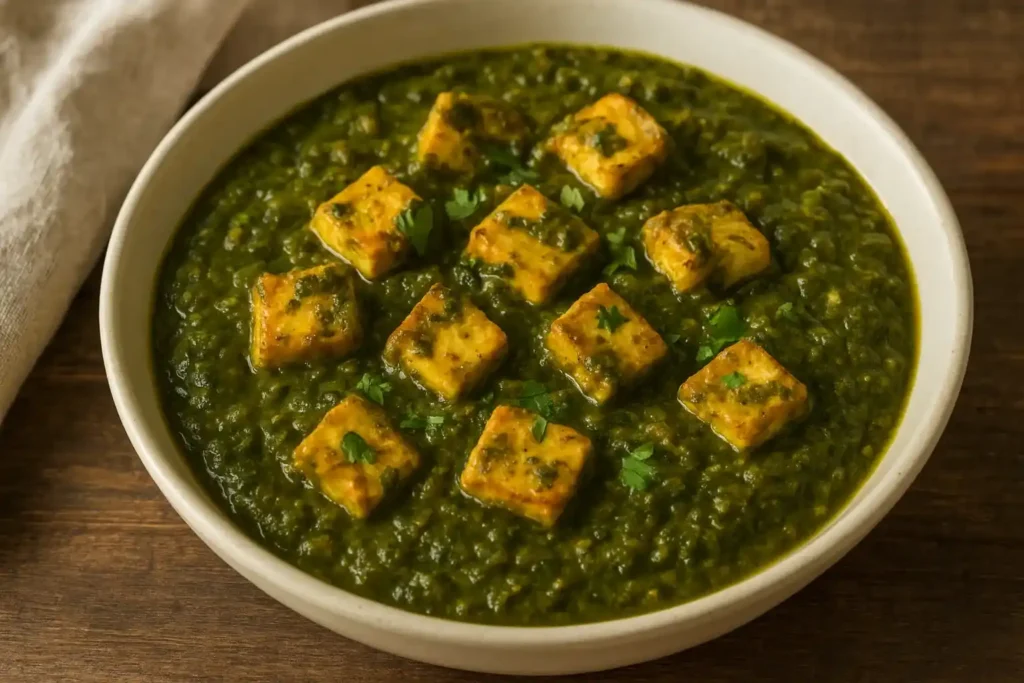
Leafy green–based meals rich in protein, such as saag paneer, can be a healthy addition to a balanced weight loss diet when prepared with minimal oil and portion control.
Grocery List for Weight Loss
Proteins
Chicken, eggs, fish, yogurt, beans
Carbs
Oats, rice, quinoa, sweet potatoes
Fats
Olive oil, nuts, seeds
Produce
Leafy greens, berries, apples
Eating Out While Losing Weight (USA Lifestyle)
- Choose grilled meals
- Avoid sugary drinks
- Control portion sizes
- Focus on protein first
Common Weight Loss Mistakes
- Skipping meals
- Eating too little
- Expecting fast results
- Ignoring sleep
- No consistency
Along with a proper diet, gentle physical activities like yoga for women’s health can support weight loss by improving metabolism, reducing stress, and enhancing overall well-being.
Conclusion: Build A Weight Loss Lifestyle, Not Just a Diet
Successful weight loss is not about following extreme rules, skipping meals, or chasing quick results. It is about building a balanced, realistic, and sustainable lifestyle that you can maintain long after the scale starts moving. A well-structured weight loss diet plan gives your body the nutrients it needs while creating a gentle calorie deficit that promotes fat loss without harming your metabolism.
The most effective approach is one that prioritizes whole foods, adequate protein, fiber-rich meals, and consistency over perfection. You don’t need to eliminate carbs completely, avoid social meals, or eat “perfectly” every day. What matters most is what you do most of the time.
Weight loss is a journey that requires patience, self-awareness, and flexibility. Small daily habits—like choosing healthier meals, managing portions, staying active, and getting enough sleep—compound over time and lead to lasting results. When your diet fits your lifestyle, weight loss stops feeling like a struggle and becomes a natural outcome.
Remember, the goal is not just to lose weight, but to feel stronger, healthier, and more confident in your body. Focus on progress, not perfection, and you’ll build results that last for years—not weeks.
Frequently Asked Questions (FAQs)
1. What is the best weight loss diet plan for beginners?
The best weight loss diet plan for beginners is one that is simple, balanced, and easy to follow. It should focus on whole foods, adequate protein, fiber-rich carbohydrates, and healthy fats while maintaining a small calorie deficit. Extremely restrictive diets often fail, so portion control and consistent meal timing work better for long-term success.
2. How many calories should I eat per day to lose weight?
Most adults can lose weight safely by eating 1,400–1,600 calories per day for women and 1,700–1,900 calories per day for men, depending on activity level and body weight. Eating too few calories can slow metabolism and increase muscle loss, which is why a moderate calorie deficit is recommended.
3. Can I lose weight without exercising?
Yes, weight loss is possible without exercise if you follow a calorie-controlled diet. However, exercise helps preserve muscle, boosts metabolism, and improves overall health. Even light activities such as walking or yoga can make weight loss easier to maintain.
4. Is it okay to eat carbohydrates while trying to lose weight?
Yes, eating carbohydrates does not prevent weight loss when they come from whole-food sources. Foods like fruits, vegetables, oats, brown rice, and whole grains provide fiber and energy that support appetite control. Weight gain is more often linked to refined carbs and added sugars.
5. Why am I not losing weight even after following a diet plan?
If you are not losing weight, it may be due to hidden calories, inaccurate portion sizes, low protein intake, poor sleep, high stress, or inconsistent habits. In some cases, eating too few calories for a long time can also slow progress. Reviewing daily habits often helps restart weight loss.